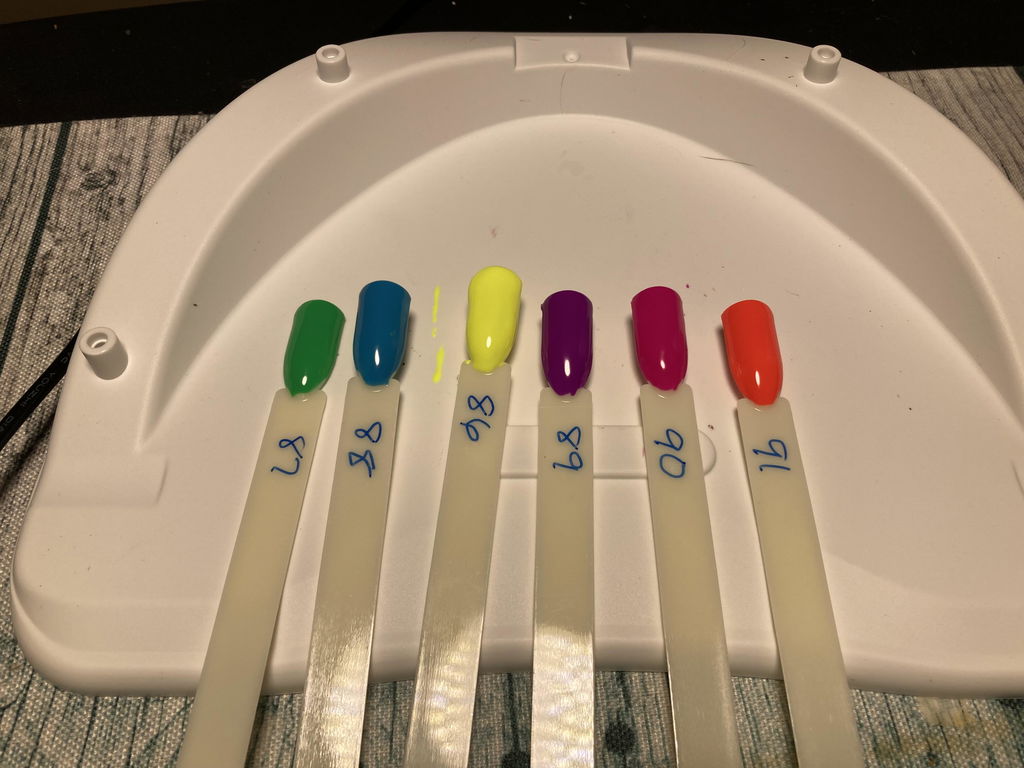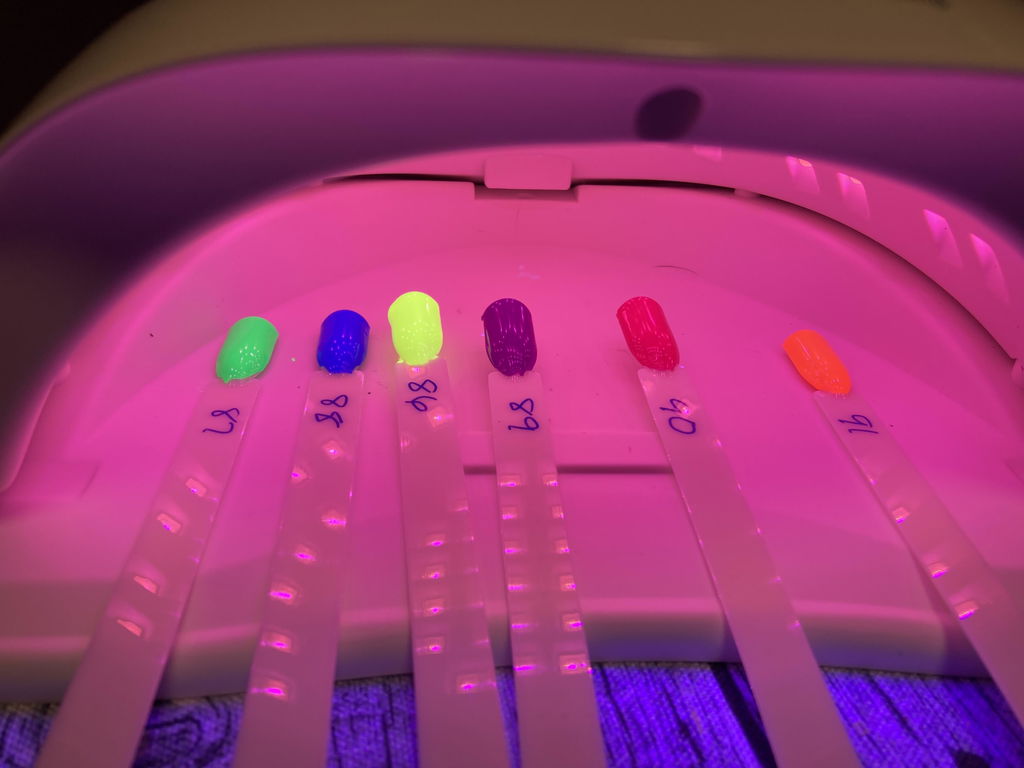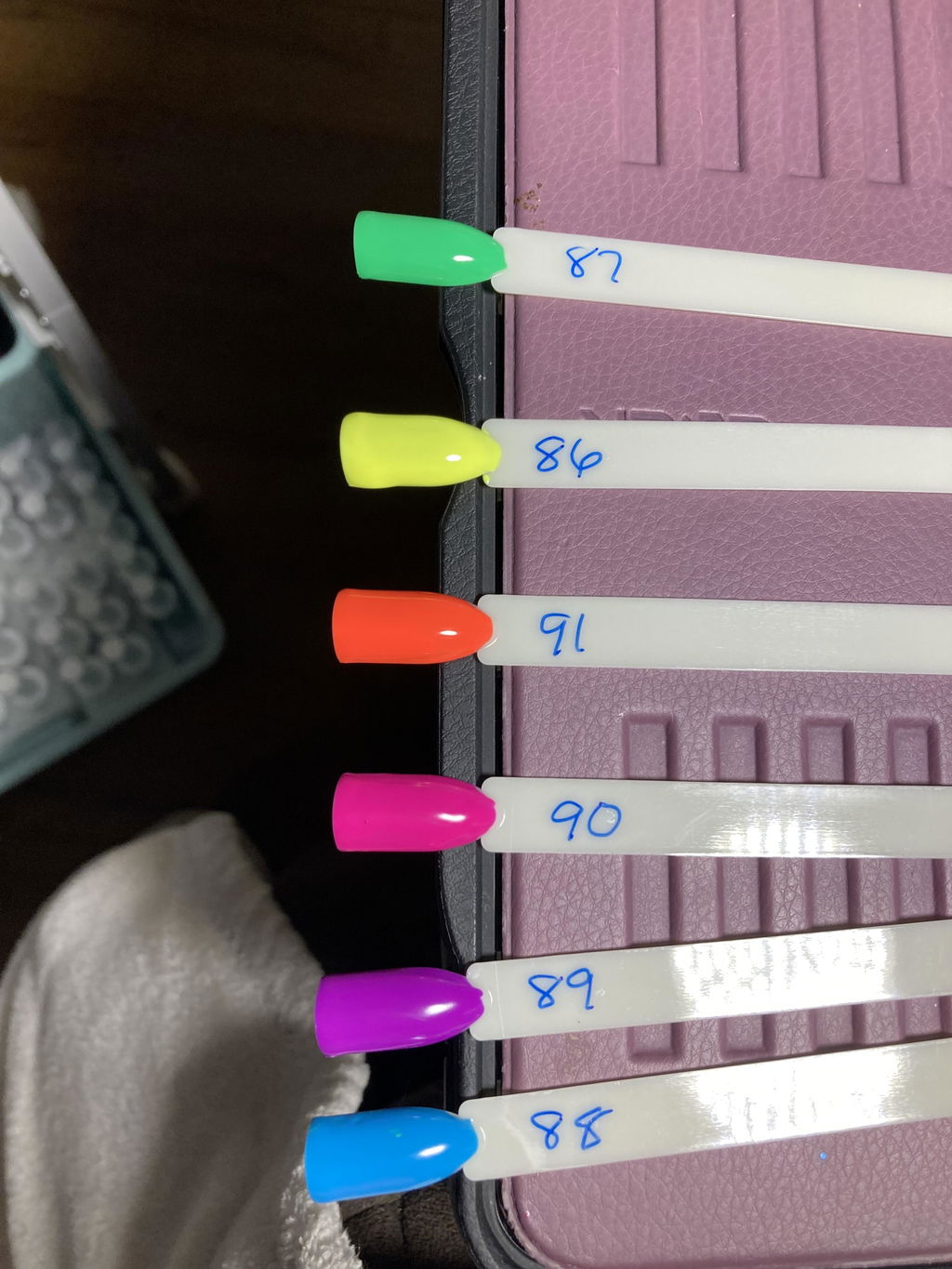

In today’s global nail industry, “safe beauty” is no longer just a trend—it has become a standard. If you are searching for HEMA-free gel polish, TPO-free gel nails, or EU-compliant nail systems, understanding ingredients is the first step to making informed choices.
This guide breaks down what these ingredients are and why they matter.
What is HEMA in gel polish?
HEMA (Hydroxyethyl Methacrylate) is a commonly used monomer in gel nail systems. Its main function is to:
· Improve adhesion between gel and natural nail
· Increase durability and wear time
· Enhance curing performance under UV/LED lamps
However, HEMA is also one of the most discussed ingredients in nail cosmetics because it can trigger skin sensitization and allergic reactions in some users, especially when product contacts the skin directly.

This is why many consumers now actively look for:
“HEMA-free gel polish” or “low-allergen nail systems”
The goal is not to say HEMA is universally unsafe, but to reduce unnecessary exposure risk—especially for sensitive users and nail professionals with repeated contact.
What is TPO and why is it regulated in Europe?
TPO (Trimethylbenzoyl Diphenylphosphine Oxide) is a photoinitiator used to help gel polish cure under UV/LED light.
Its role is essential in the chemical reaction that turns liquid gel into a solid coating.
However, in recent years, the European Union has taken a precautionary regulatory approach and classified TPO under stricter cosmetic safety evaluation, leading to its restriction in cosmetics within the EU market.

Key points:
· TPO is used for fast curing performance
· It has been evaluated under EU chemical safety frameworks
· EU regulations prioritize precaution even at low exposure levels
As a result, many brands are reformulating into:
TPO-free gel polish systems that still cure effectively without this ingredient.
Are HEMA-free and TPO-free gels safer?
In modern nail science, “safer” usually means:
· Lower allergen potential
· Reduced skin sensitization risk
· Compliance with stricter cosmetic regulations (especially EU standards)
· Cleaner ingredient transparency
It is important to understand:
✔ Gel polish itself is not banned or unsafe
✔ Risk depends on formulation quality and usage habits
✔ Skin contact with uncured product is the biggest real-world issue
That is why professional brands now focus on:
· Non-skin-contact application systems
· Improved photoinitiator alternatives
· EU cosmetic compliance testing
BRN Professional Gel Polish: Clean, EU-Compliant Formula
As consumer awareness grows, BRN positions itself within the modern “clean gel” movement, focusing on safer, professional-grade formulations.

✔ BRN is HEMA-Free
Designed to reduce the risk of common acrylate-related irritation and suitable for sensitive users and salon professionals.
✔ BRN is TPO-Free
Formulated without TPO to align with evolving European cosmetic safety standards and global regulatory trends.
✔ EU-Compliant Standard
BRN products are developed according to European cosmetic regulation principles, ensuring:
· Ingredient transparency
· Controlled allergen profile
· Professional-grade performance with safer chemistry
Why EU compliance matters in nail products
The European Union has some of the strictest cosmetic regulations in the world, requiring manufacturers to evaluate:
· Ingredient toxicity classification
· Long-term exposure safety
· Sensitization and irritation potential
· Product stability and labeling transparency
In 2025–2026, regulatory tightening around ingredients like HEMA and TPO has accelerated global reformulation trends.
For consumers, EU-compliant products generally mean:
Higher formulation standards and more cautious ingredient selection.
How to choose a safer gel polish (practical tips)
When shopping for gel nail products, look for:
· “HEMA-free” labeling if you have sensitive skin
· “TPO-free” or EU-compliant formulations
· Full ingredient transparency
· Professional brands with documented safety standards
· Proper curing lamps and correct application technique
Most importantly:
👉 Avoid skin contact with uncured gel, regardless of brand.
Conclusion
The shift toward HEMA-free and TPO-free gel polish reflects a larger global movement toward safer, more transparent beauty formulations.
To summarize:
HEMA is widely used but can be sensitizing
TPO is a regulated photoinitiator under EU safety frameworks
Modern gel systems are evolving toward cleaner alternatives
BRN gel polish is formulated as HEMA-free, TPO-free, and EU-compliant, aligning with this new industry standard

For nail professionals and consumers alike, the future of gel nails is not just about durability and shine—but also about safer chemistry and responsible formulation.